

What Does Proper Paint Surface Preparation Actually Involve?
Introduction
Much of the work behind a professional paint finish happens before the final coats are applied.
The existing surface needs to be inspected, cleaned and prepared appropriately so the new coating has a sound foundation.
This is why paint surface preparation is such an important part of residential and commercial repainting.
Preparation will not be identical on every project. Painted render, timber, metal and internal plaster all have different requirements.
In this guide, we explain some of the common preparation steps and why they matter.
Inspecting the Existing Surface
Preparation begins with understanding the condition of the surface.
A painter may inspect for:
- Loose paint
- Peeling or flaking coatings
- Cracks
- Holes
- Rust
- Dirt and contaminants
- Previous repairs
- Damaged surfaces
The inspection helps establish what needs to happen before new paint can be applied.
Cleaning the Surface
Paint should be applied to a suitably clean surface.
Exterior surfaces can accumulate:
- Dirt
- Dust
- Grime
- Environmental contaminants
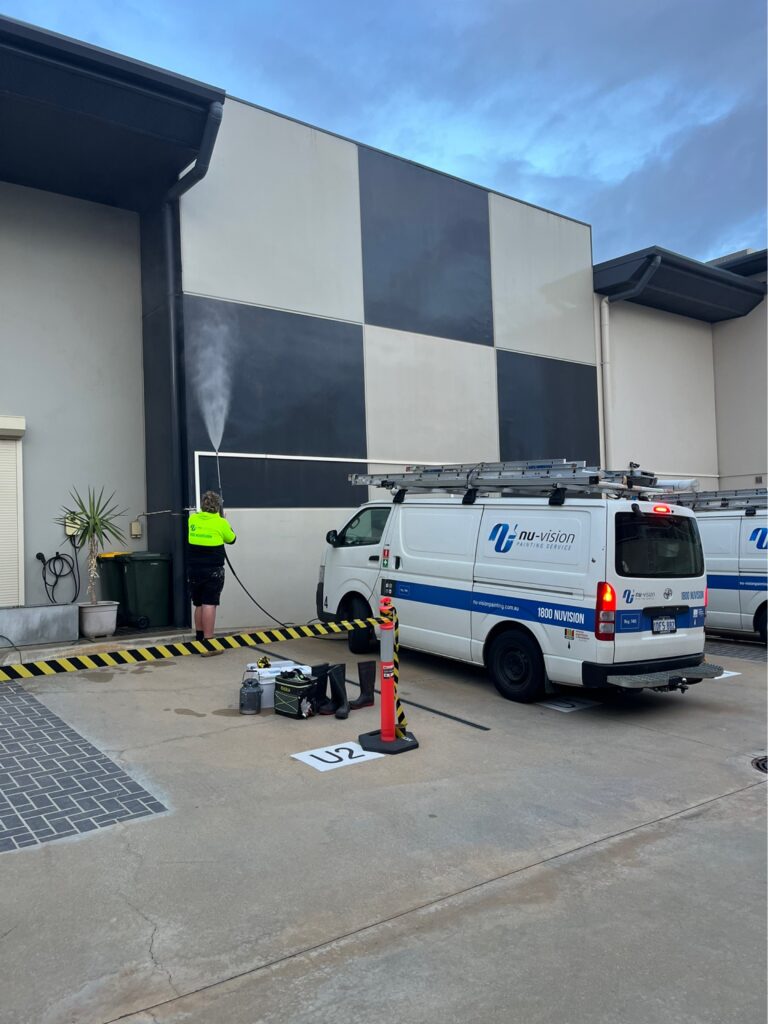
Depending on the surface, cleaning or pressure washing may form part of preparation.
Internal areas may require a different cleaning process depending on their condition and use.
Nu-Vision’s service capabilities include pressure cleaning and water blasting where appropriate.
Removing Loose or Failed Paint
If the existing coating is already failing, applying fresh paint directly over it does not provide a sound base.
Loose or peeling coatings may need to be removed before further preparation.
The appropriate removal method depends on the surface and existing coating.
Nu-Vision’s Perth Modern School project is an example of more involved preparation. Failed coatings on exterior rendered sections were removed before washing, repair, priming and painting works were completed.
Repairing Surface Defects
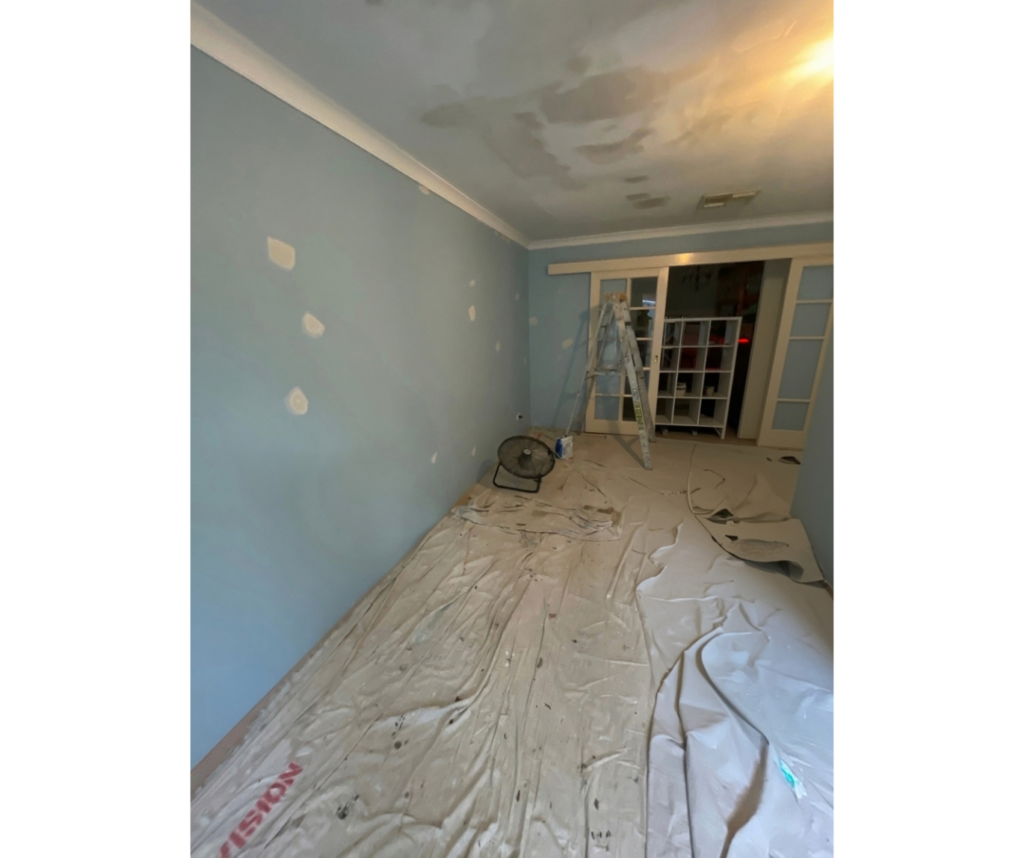
Paint can improve a surface’s appearance, but it cannot replace necessary repairs.
Preparation may involve addressing:
- Small holes
- Cracks
- Damaged areas
- Surface imperfections
More significant defects may fall outside the painting scope and require another appropriate trade.
Identifying these issues early helps ensure the painting scope reflects the true condition of the property.
Sanding
Sanding may be used for several reasons.
It can help:
- Smooth filled areas
- Remove imperfections
- Prepare existing coatings
- Improve the transition between repaired and existing surfaces
The amount and type of sanding required depends on the substrate.
Nu-Vision’s equipment includes dustless sanding systems for suitable applications.
Rust Treatment
Metal surfaces require their own preparation.
Where rust is present, simply painting over the affected area may not provide an appropriate result.
The existing condition needs to be assessed and suitable preparation and coating products selected.
Rust treatment forms part of Nu-Vision’s documented service capabilities.
Priming Bare or Prepared Areas
Primer may be required on:
- Bare surfaces
- Repaired areas
- Exposed substrates
- Particular materials
The correct primer depends on the surface and coating system.
Rather than automatically applying the same system everywhere, the products should be selected for the particular project.
Why Preparation Can Take Time
Preparation is sometimes one of the most labour-intensive parts of a repaint.
That is because the finished coating relies heavily on what is underneath it.
A detailed quotation should therefore consider surface condition rather than simply calculating the size of the area being painted.
Reducing preparation may make a job appear simpler initially, but it does not remove problems with the substrate underneath.
Frequently Asked Questions
Is sanding always required before painting?
No.
Preparation depends on the condition and type of surface.
Can you paint over peeling paint?
Loose or failed coatings generally need appropriate preparation before repainting.
Does every surface need primer?
No.
Primer requirements depend on the substrate, existing coating and condition of the surface.
Can painters repair cracks?
Some minor surface preparation and repairs may form part of the painting scope.
More significant defects may require another trade.
Why does preparation affect a painting quote?
Surface preparation requires labour, materials and smetimes specialised equipment, so the condition of the property can significantly affect the scope.
Related Articles
- 7 Signs Your Perth Home May Be Due for Repainting
- What Should You Look for in a Professional Painting Quote?
- Spring Exterior Painting: What Perth Property Owners Should Check
- Commercial Painting Planning in Perth
Does Your Property Need More Than Another Coat of Paint?
If existing surfaces are peeling, cracking or showing signs of deterioration, proper assessment and preparation should come first.
Nu-Vision Painting provides residential and commercial painting throughout Perth, including surface preparation appropriate to the painting project.
Contact Nu-Vision Painting to arrange an assessment and detailed quotation.