
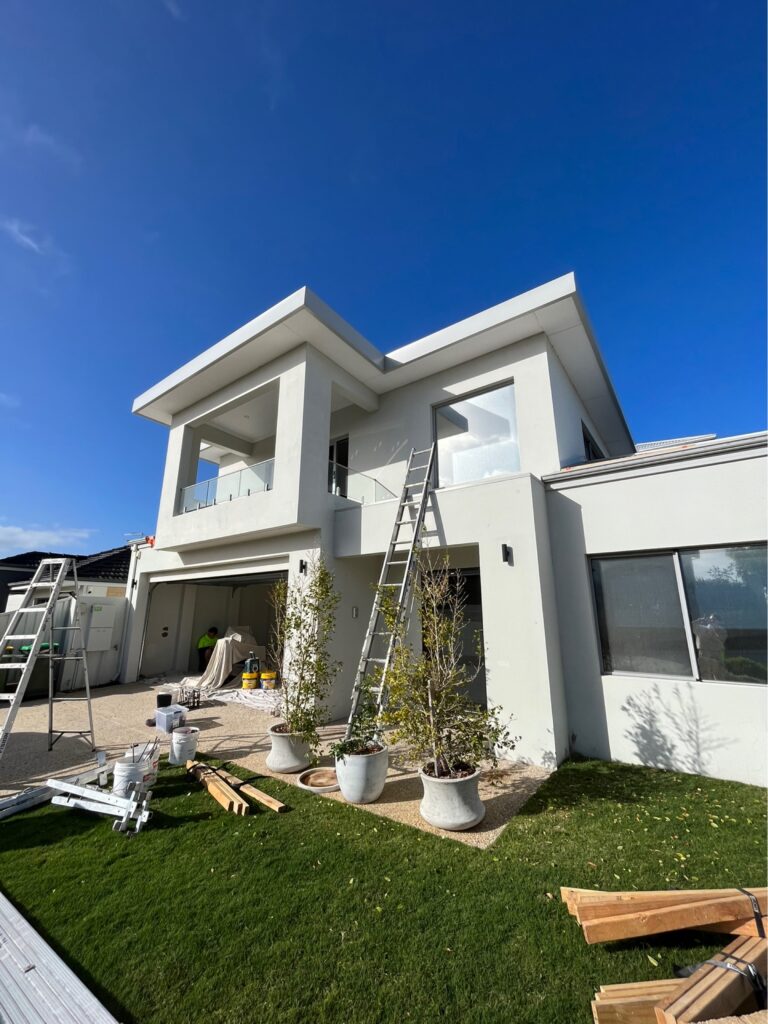
An Annual Paint Maintenance Checklist for Perth Properties
You do not need to wait until paint is peeling across an entire property before checking its condition.
A simple annual inspection can help identify areas that are ageing faster than others and give you time to plan maintenance.
Paint maintenance in Perth should focus on what is actually happening to the building rather than following an arbitrary repainting date.
Different elevations, substrates and high-use areas can deteriorate at different rates.
Here is a practical checklist.
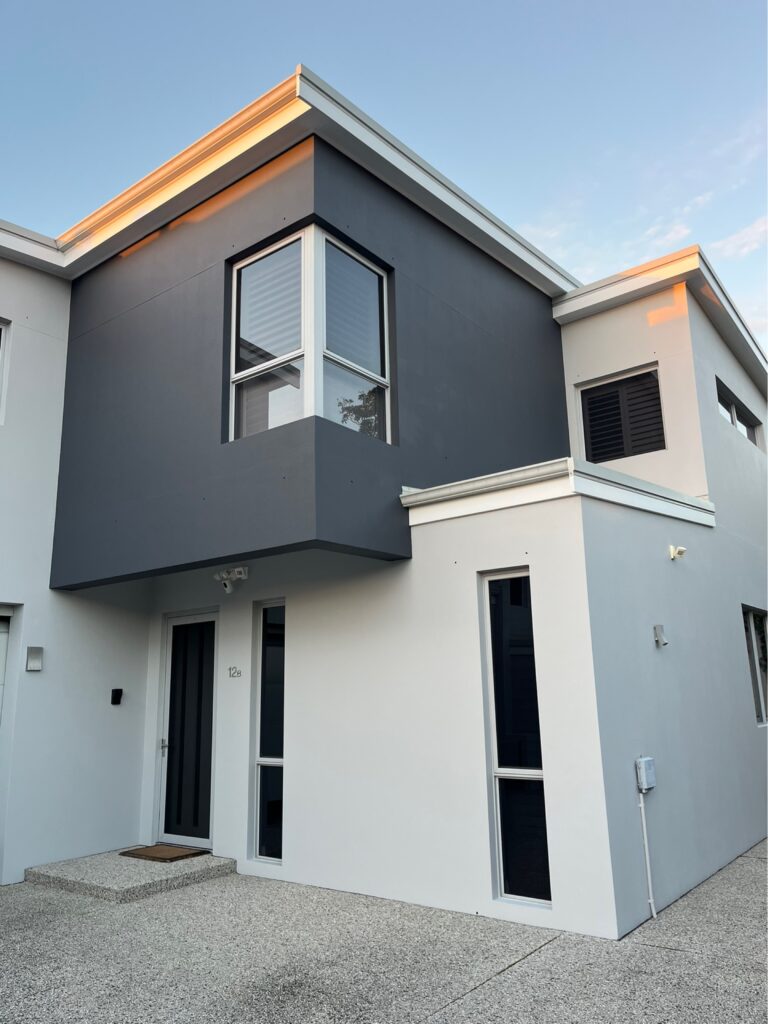
1. Walk around the exterior
Start with a general inspection from ground level.
Look for:
- peeling paint
- flaking
- cracking
- fading
- exposed substrate
- staining
- damaged render
- worn timber coatings.
Pay particular attention to sections that receive greater weather exposure.
Take photographs so you can compare the condition from one inspection to the next.
2. Check areas around windows and doors
Window and door surrounds contain joints, edges and different materials.
Inspect painted timber, frames and surrounding walls for visible deterioration.
If there are signs of moisture, do not assume repainting alone will solve the problem.
The source should be investigated before new coatings are applied.
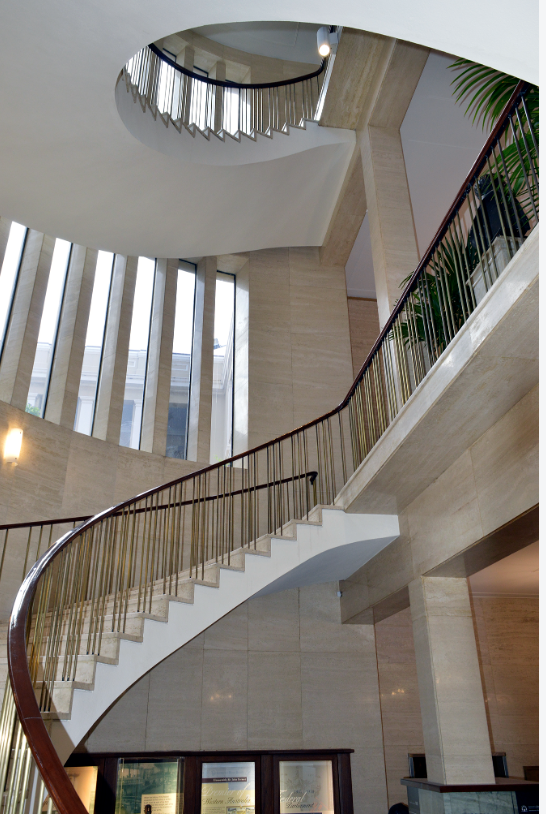
3. Look at high-traffic interior areas
Inside the property, some walls receive far more contact than others.
Common examples include:
- corridors
- entrances
- stairwells
- reception areas
- kitchens
- shared spaces
- doors and frames.
Look for scuffing, marks, chips and areas that are repeatedly being touched or cleaned.
These sections may need maintenance sooner than less frequently used rooms.
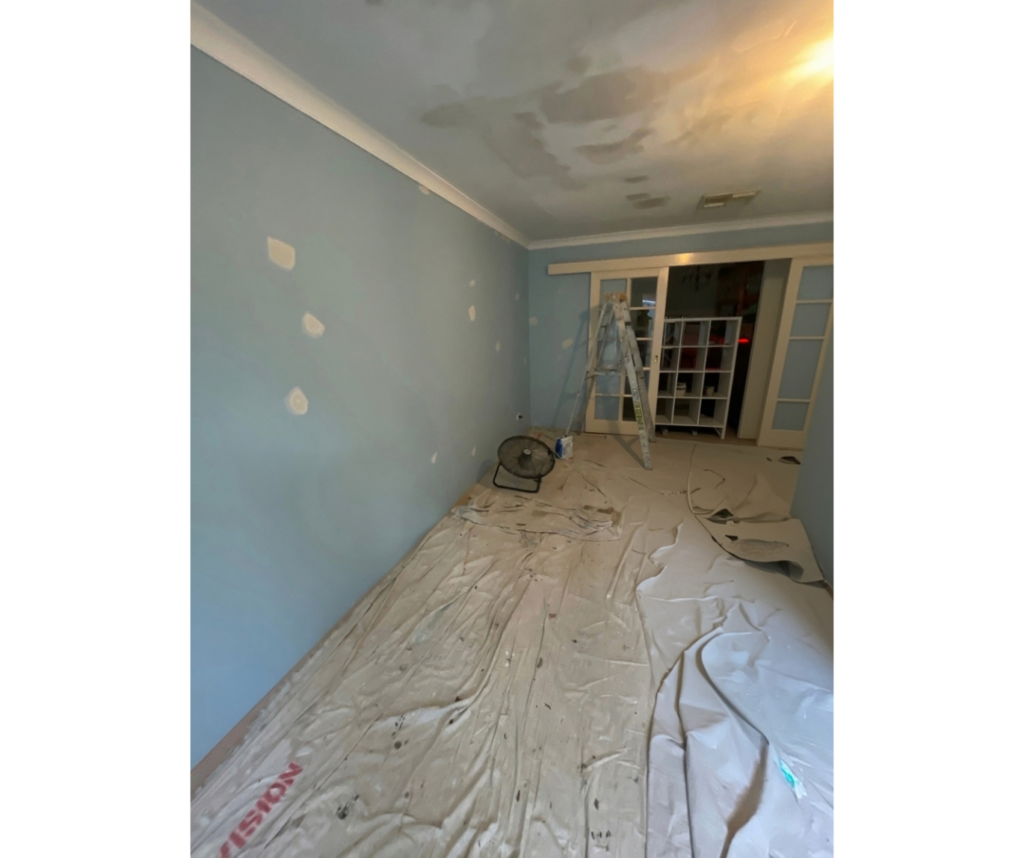
4. Inspect repaired areas
If the property has previously had cracks filled, render repaired or walls patched, check how those areas are performing.
A recurring crack or stain may indicate that the underlying cause requires further attention.
A repaint should not simply hide a problem that continues to return.
5. Check exterior timber
Painted timber can deteriorate differently from rendered or masonry walls.
Inspect:
- fascias
- windows
- doors
- gables
- decorative timber
- exposed edges and joints.
If the coating has broken down and bare timber is visible, arrange an assessment rather than waiting for deterioration to spread.
6. Look for loose or chalky coatings
Some ageing surfaces develop loose material or a powdery residue.
The significance depends on the coating and condition, but it should be considered before repainting.
A new coating needs a suitable surface underneath it.
Preparation may therefore involve removing unstable material before painting.
7. Check metal components
Painted metal areas should also be reviewed.
Look for coating breakdown or visible rust around components such as railings, doors, frames or other painted metal surfaces.
Localised deterioration may be easier to deal with before it spreads.
8. Compare different sides of the property
It is common for one part of a building to weather differently from another.
Do not assume the entire property is in exactly the same condition.
Compare elevations and sheltered sections.
This can help determine whether the building needs a complete repaint or whether selected maintenance should be considered first.
9. Review your maintenance records
If you manage several properties, keeping basic painting records is useful.
Record:
- when areas were last painted
- what coating system was used where known
- repairs undertaken
- maintenance completed
- photographs
- areas being monitored.
This does not need to become a complicated database.
A simple record can make future planning easier.
10. Arrange an assessment when deterioration appears
There is a difference between normal ageing and coating failure that requires work.
If you are unsure, arrange an inspection.
A painter can assess visible surfaces and advise what preparation and repainting appear to be required.
The quotation should then reflect the actual condition rather than assuming a standard scope.
Why preventative inspection is useful
The purpose of maintenance inspections is not to create painting work that is not needed.
It is to give property owners better information.
If the paint remains in good condition, monitoring may be all that is required.
If deterioration is developing, knowing about it earlier gives you more time to budget, obtain quotations and select a suitable period for the work.
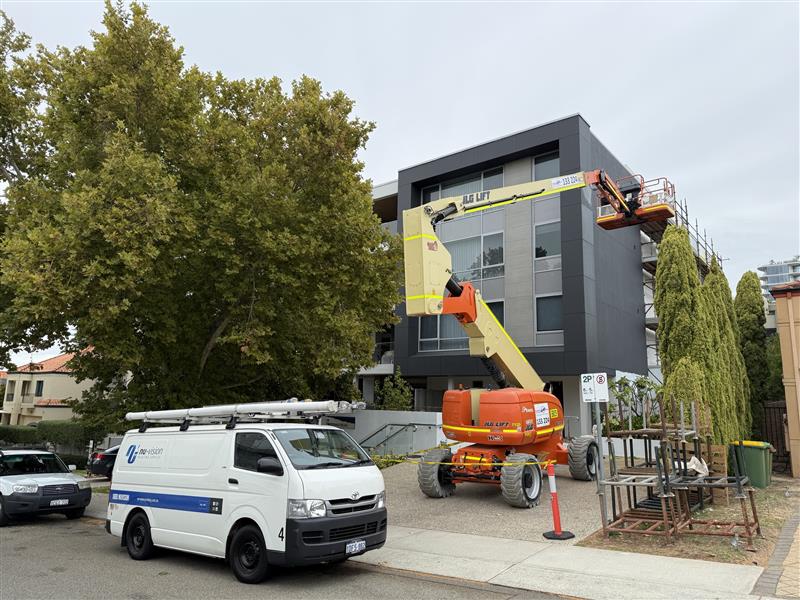
That is particularly useful for commercial facilities where painting needs to be coordinated around occupants and operations.
Not sure how your existing coatings are holding up?
Nu-Vision Painting can assess painted surfaces across your Perth property and provide a quotation if maintenance or repainting is required.