


Why Does Paint Peel and Flake? What to Check Before Repainting
Peeling or flaking paint is one of the most obvious signs that a coating system needs attention.
The immediate temptation can be to scrape away the loose area and apply more paint.
Sometimes considerably more preparation is required.
There are several possible peeling paint causes, which is why the existing surface should be inspected before a repainting scope is decided.
What does peeling paint tell you?
Peeling means the coating has lost adhesion somewhere within the paint system or between the coating and the surface underneath it.
The visible loose paint is therefore the symptom.
The important question is what condition remains underneath.
That needs to be understood before another coating is applied.
Previous preparation may affect adhesion
Paint needs a suitable surface to bond to.
If the previous surface contained unstable material, contamination or another issue that affected adhesion, coating failure can occur.
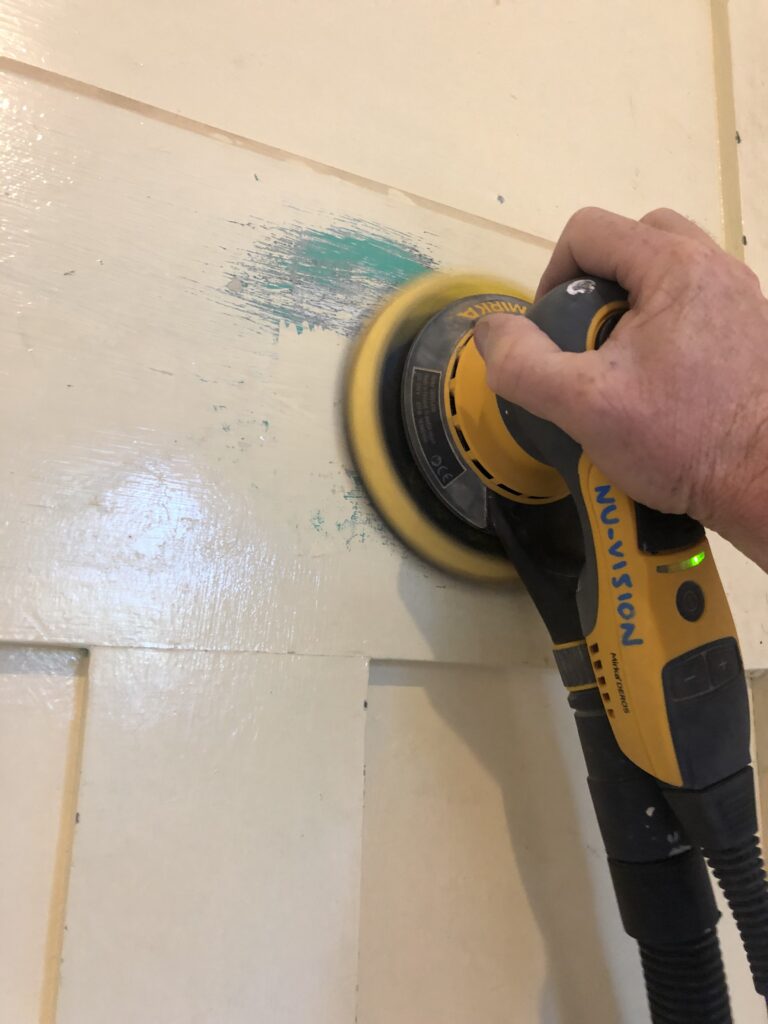
During repainting, loose material needs to be identified and appropriately prepared.
Moisture can contribute to coating problems
Where peeling appears alongside staining or persistent dampness, moisture may need further investigation.
Painting over the area without addressing the source is unlikely to solve the underlying problem.
The cause may sit outside the normal painting scope and require another type of repair.
Existing coatings can deteriorate over time
Exterior surfaces are continually exposed to the environment.
As coatings deteriorate, they may begin to crack, chalk or lose adhesion.
Different parts of the same building can also weather differently.
This is why one elevation may show peeling while another remains in much better condition.
Substrate condition matters
Render, timber, plasterboard and metal all behave differently.
The preparation required for peeling paint therefore depends partly on what the paint has been applied to.
The painter should consider both the coating and the substrate underneath it.
Why painting directly over loose paint does not work
Fresh paint adheres to the surface beneath it.
If that surface is itself loose, the new coating is relying on an unstable layer.
That is why peeling material usually needs to be removed back to a stable point before the repainting system is applied.
Check the extent of the problem
One isolated patch is different from widespread failure.
During an inspection, determine whether peeling is limited to a small area or appearing across multiple sections.
The answer affects the amount of preparation required and whether local maintenance is practical.
Do not assume every peeling problem has the same cause
Paint failure can look similar even when the underlying reasons are different.
Avoid diagnosing the cause purely from appearance.
A site assessment can consider the surrounding conditions, substrate and existing coating before the preparation scope is determined.
Preparation should address what is actually present
A repainting quotation should clearly allow for the visible condition of the property.
Where peeling is present, ask what preparation has been included.
This is more useful than focusing only on how many new coats will be applied.
Have peeling or flaking paint on your property?
Nu-Vision Painting can inspect the existing surfaces and prepare a repainting quotation based on the preparation required.