
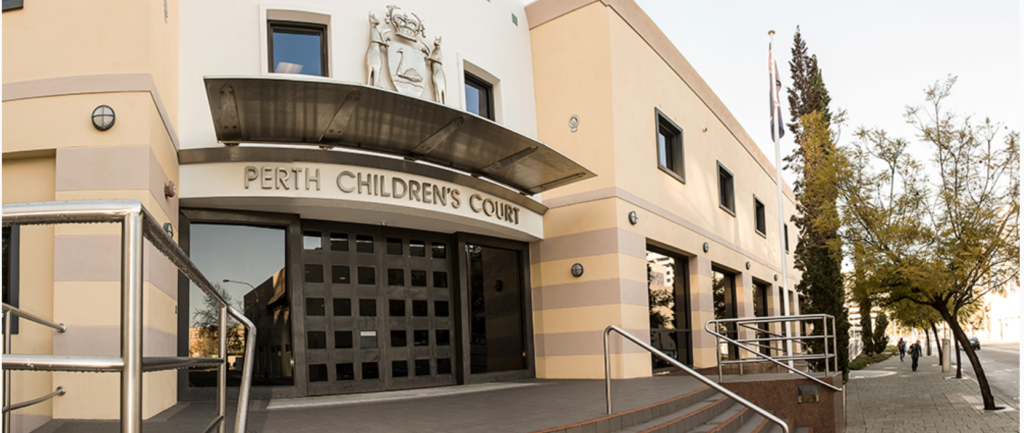
Public Building Painting: What to Inspect Before Budgeting
Maintenance budgets are easier to prepare when they are based on the actual condition of a building rather than an assumed repainting cycle.
Different sections of a public facility may experience very different levels of wear.
Exterior exposure, pedestrian traffic, previous preparation and the way each space is used can all influence coating condition.
Before budgeting for government painting maintenance in Perth, it can be useful to carry out a straightforward condition review.
Start with coating condition
Look for visible signs that painted surfaces are deteriorating.
These may include:
- peeling
- flaking
- cracking
- fading
- chalking
- exposed substrate
- damaged areas.
The aim is not for the facility manager to diagnose why the coating has deteriorated.
It is simply to identify areas that need closer inspection.
Separate cosmetic wear from coating failure
Not every mark requires a complete repaint.
A heavily used internal corridor may have scuffs while the coating remains otherwise sound.
An exterior wall with widespread peeling represents a different maintenance issue.
Separating these conditions makes budgeting more useful.
One area may need localised maintenance while another requires more extensive preparation and repainting.
Record repairs that may be needed
Painting and repairs often overlap.
Cracked render, damaged wall surfaces and deteriorated timber should be recorded during an inspection.
Some minor items may fall within painting preparation.
Others may require another repair scope.
Identifying them early helps reduce the risk of budgeting only for paint application when the building actually needs more work.
Consider access
Public buildings can have high elevations, difficult roof lines or areas requiring additional access planning.
The condition of these surfaces should still be considered even if they are harder to inspect closely.
When a professional site assessment is completed, access requirements can be incorporated into the eventual painting quotation.
Review high-use areas separately
Entrances, corridors, stairwells and shared facilities can deteriorate faster than quieter sections.
These areas may need more frequent maintenance attention without automatically triggering repainting throughout the building.
A room-by-room or area-by-area inspection can therefore be more helpful than treating the entire facility as one surface.
Keep photographic records
Photographs are useful when planning future works.
Taking images from similar positions over time gives asset managers a simple visual record of changing conditions.
This can help with:
- future inspections
- budgeting discussions
- contractor briefings
- determining whether deterioration is spreading.
The record does not need to be complicated to be useful.
Consider how the building operates
The budget should also consider how painting would eventually be delivered.
An operational facility may need staged works, after-hours access or painting during quieter periods.
These requirements can influence the overall project.
Considering them during early planning gives the organisation a more realistic understanding of the work.
Do not assume every area needs painting together
One of the benefits of condition-based maintenance is that different parts of a property can be assessed separately.
A particular elevation may need attention before the rest of an exterior.
Similarly, a high-traffic corridor may show more wear than surrounding rooms.
The eventual scope should respond to the condition rather than treating a building as one uniform surface.
Arrange a professional assessment before finalising the budget
An internal condition review is a useful first step.
Before a project budget is finalised, a painting contractor can provide a more detailed assessment of preparation, access and the surfaces involved.
That gives the facility or asset team better information to work from when allocating funds.
Planning painting maintenance for a public facility?
Nu-Vision Painting can inspect the existing surfaces and prepare a detailed quotation based on the building’s condition, access and project requirements.